
Welcome to my Blog

Mortgage Registration 101: What You Need to Know About Standard vs. Collateral Charges When you’re setting up a mortgage, it’s easy to focus on the rate and monthly payment—but what about how your mortgage is registered? Most borrowers don’t realize this, but there are two common ways your lender can register your mortgage: as a standard charge or a collateral charge . And that choice can affect your flexibility, future borrowing power, and even your ability to switch lenders. Let’s break down what each option means—without the legal jargon. What Is a Standard Charge Mortgage? Think of this as the “traditional” mortgage. With a standard charge, your lender registers exactly what you’ve borrowed on the property title. Nothing more. Nothing hidden. Just the principal amount of your mortgage. Here’s why that matters: When your mortgage term is up, you can usually switch to another lender easily —often without legal fees, as long as your terms stay the same. If you want to borrow more money down the line (for example, for renovations or debt consolidation), you’ll need to requalify and break your current mortgage , which can come with penalties and legal costs. It’s straightforward, transparent, and offers more freedom to shop around at renewal time. What Is a Collateral Charge Mortgage? This is a more flexible—but also more complex—type of mortgage registration. Instead of registering just the amount you borrow, a collateral charge mortgage registers for a higher amount , often up to 100%–125% of your home’s value . Why? To allow you to borrow additional funds in the future without redoing your mortgage. Here’s the upside: If your home’s value goes up or you need access to funds, a collateral charge mortgage may let you re-borrow more easily (if you qualify). It can bundle other credit products—like a line of credit or personal loan—into one master agreement. But there are trade-offs: You can’t switch lenders at renewal without hiring a lawyer and paying legal fees to discharge the mortgage. It may limit your ability to get a second mortgage with another lender because the original lender is registered for a higher amount than you actually owe. Which One Should You Choose? The answer depends on what matters more to you: flexibility in future borrowing , or freedom to shop around for better rates at renewal. Why Talk to a Mortgage Broker? This kind of decision shouldn’t be made by default—or by what a single lender offers. An independent mortgage professional can help you: Understand how your mortgage is registered (most people never ask!) Compare lenders that offer both options Make sure your mortgage aligns with your future goals—not just today’s needs We look at your full financial picture and explain the fine print so you can move forward with confidence—not surprises. Have questions? Let’s talk. Whether you’re renewing, refinancing, or buying for the first time, I’m here to help you make smart, informed choices about your mortgage. No pressure—just answers.

Need to Free Up Some Cash? Your Home Equity Could Help If you've owned your home for a while, chances are it’s gone up in value. That increase—paired with what you’ve already paid down—is called home equity, and it’s one of the biggest financial advantages of owning property. Still, many Canadians don’t realize they can tap into that equity to improve their financial flexibility, fund major expenses, or support life goals—all without selling their home. Let’s break down what home equity is and how you might be able to use it to your advantage. First, What Is Home Equity? Home equity is the difference between what your home is worth and what you still owe on it. Example: If your home is valued at $700,000 and you owe $200,000 on your mortgage, you have $500,000 in equity . That’s real financial power—and depending on your situation, there are a few smart ways to access it. Option 1: Refinance Your Mortgage A traditional mortgage refinance is one of the most common ways to tap into your home’s equity. If you qualify, you can borrow up to 80% of your home’s appraised value , minus what you still owe. Example: Your home is worth $600,000 You owe $350,000 You can refinance up to $480,000 (80% of $600K) That gives you access to $130,000 in equity You’ll pay off your existing mortgage and take the difference as a lump sum, which you can use however you choose—renovations, investments, debt consolidation, or even a well-earned vacation. Even if your mortgage is fully paid off, you can still refinance and borrow against your home’s value. Option 2: Consider a Reverse Mortgage (Ages 55+) If you're 55 or older, a reverse mortgage could be a flexible way to access tax-free cash from your home—without needing to make monthly payments. You keep full ownership of your home, and the loan only becomes repayable when you sell, move out, or pass away. While you won’t be able to borrow as much as a conventional refinance (the exact amount depends on your age and property value), this option offers freedom and peace of mind—especially for retirees who are equity-rich but cash-flow tight. Reverse mortgage rates are typically a bit higher than traditional mortgages, but you won’t need to pass income or credit checks to qualify. Option 3: Open a Home Equity Line of Credit (HELOC) Think of a HELOC as a reusable credit line backed by your home. You get approved for a set amount, and only pay interest on what you actually use. Need $10,000 for a new roof? Use the line. Don’t need anything for six months? No payments required. HELOCs offer flexibility and low interest rates compared to personal loans or credit cards. But they can be harder to qualify for and typically require strong credit, stable income, and a solid debt ratio. Option 4: Get a Second Mortgage Let’s say you’re mid-term on your current mortgage and breaking it would mean hefty penalties. A second mortgage could be a temporary solution. It allows you to borrow a lump sum against your home’s equity, without touching your existing mortgage. Second mortgages usually come with higher interest rates and shorter terms, so they’re best suited for short-term needs like bridging a gap, paying off urgent debt, or funding a one-time project. So, What’s Right for You? There’s no one-size-fits-all solution. The right option depends on your financial goals, your current mortgage, your credit, and how much equity you have available. We’re here to walk you through your choices and help you find a strategy that works best for your situation. Ready to explore your options? Let’s talk about how your home’s equity could be working harder for you. No pressure, no obligation—just solid advice.

Ready to Buy Your First Home? Here’s How to Know for Sure Buying your first home is exciting—but it’s also a major financial decision. So how can you tell if you’re truly ready to take that leap into homeownership? Whether you’re confident or still unsure, these four signs are solid indicators that you’re on the right path: 1. You’ve Got Your Down Payment and Closing Costs in Place To purchase a home in Canada, you’ll need at least 5% of the purchase price as a down payment. In addition, plan for around 1.5% to 2% of the home’s value to cover closing costs like legal fees, insurance, and adjustments. If you’ve managed to save this on your own, that’s a great sign of financial discipline. If you're receiving help from a family member through a gifted down payment , that works too—as long as the paperwork is in order. Either way, having these funds ready shows you’re prepared for the upfront costs of homeownership. 2. Your Credit Profile Tells a Good Story Lenders want to know how you manage debt. Before they approve you for a mortgage, they’ll review your credit history. What they typically like to see: At least two active credit accounts (trade lines) , like a credit card or loan Each with a minimum limit of $2,000 Open and active for at least 2 years Even if your credit isn’t perfect, don’t panic. There may still be options, such as using a co-signer or working on a credit improvement plan with a mortgage expert. 3. Your Income Can Support Homeownership—Comfortably A steady income is essential, but not all income is treated equally. If you’re full-time and past probation , you’re in a strong position. If you’re self-employed, on contract, or rely on variable income like tips or commissions, you’ll generally need a two-year history to qualify. A general rule: housing costs (mortgage, taxes, utilities) should stay under 35% of your gross monthly income . That leaves plenty of room for other living expenses, savings, and—yes—some fun too. 4. You’ve Talked to a Mortgage Professional Let’s be real—there’s a lot of info out there about buying a home. Google searches and TikToks can only take you so far. If you're serious about buying, speaking with a mortgage professional is the most effective next step. Why? Because you'll: Get pre-approved (and know what price range you're working with) Understand your loan options and the qualification process Build a game plan that suits your timeline and financial goals The Bottom Line: Being “ready” to buy a home isn’t just about how much you want it—it’s about being financially prepared, credit-ready, and backed by expert advice. If you’re thinking about homeownership, let’s chat. I’d love to help you understand your options, crunch the numbers, and build a plan that gets you confidently across the finish line—keys in hand.

How to Start Saving for a Down Payment (Without Overhauling Your Life) Let’s face it—saving money isn’t always easy. Life is expensive, and setting aside extra cash takes discipline and a clear plan. Whether your goal is to buy your first home or make a move to something new, building up a down payment is one of the biggest financial hurdles. The good news? You don’t have to do it alone—and it might be simpler than you think. Step 1: Know Your Numbers Before you can start saving, you need to know where you stand. That means getting clear on two things: how much money you bring in and how much of it is going out. Figure out your monthly income. Use your net (after-tax) income, not your gross. If you’re self-employed or your income fluctuates, take an average over the last few months. Don’t forget to include occasional income like tax returns, bonuses, or government benefits. Track your spending. Go through your last 2–3 months of bank and credit card statements. List out your regular bills (rent, phone, groceries), then your extras (dining out, subscriptions, impulse buys). You might be surprised where your money’s going. This part isn’t always fun—but it’s empowering. You can’t change what you don’t see. Step 2: Create a Plan That Works for You Once you have the full picture, it’s time to make a plan. The basic formula for saving is simple: Spend less than you earn. Save the difference. But in real life, it’s more about small adjustments than major sacrifices. Cut what doesn’t matter. Cancel unused subscriptions or set a dining-out limit. Automate your savings. Set up a separate “down payment” account and auto-transfer money on payday—even if it’s just $50. Find ways to boost your income. Can you pick up a side job, sell unused stuff, or ask for a raise? Consistency matters more than big chunks. Start small and build momentum. Step 3: Think Bigger Than Just Saving A lot of people assume saving for a down payment is the first—and only—step toward buying a home. But there’s more to it. When you apply for a mortgage, lenders look at: Your income Your debt Your credit score Your down payment That means even while you’re saving, you can (and should) be doing things like: Building your credit score Paying down high-interest debt Gathering documents for pre-approval That’s where we come in. Step 4: Get Advice Early Saving up for a home doesn’t have to be a solo mission. In fact, talking to a mortgage professional early in the process can help you avoid missteps and reach your goal faster. We can: Help you calculate how much you actually need to save Offer tips to strengthen your application while you save Explore alternate down payment options (like gifts or programs for first-time buyers) Build a step-by-step plan to get you mortgage-ready Ready to get serious about buying a home? We’d love to help you build a plan that fits your life—and your goals. Reach out anytime for a no-pressure conversation.
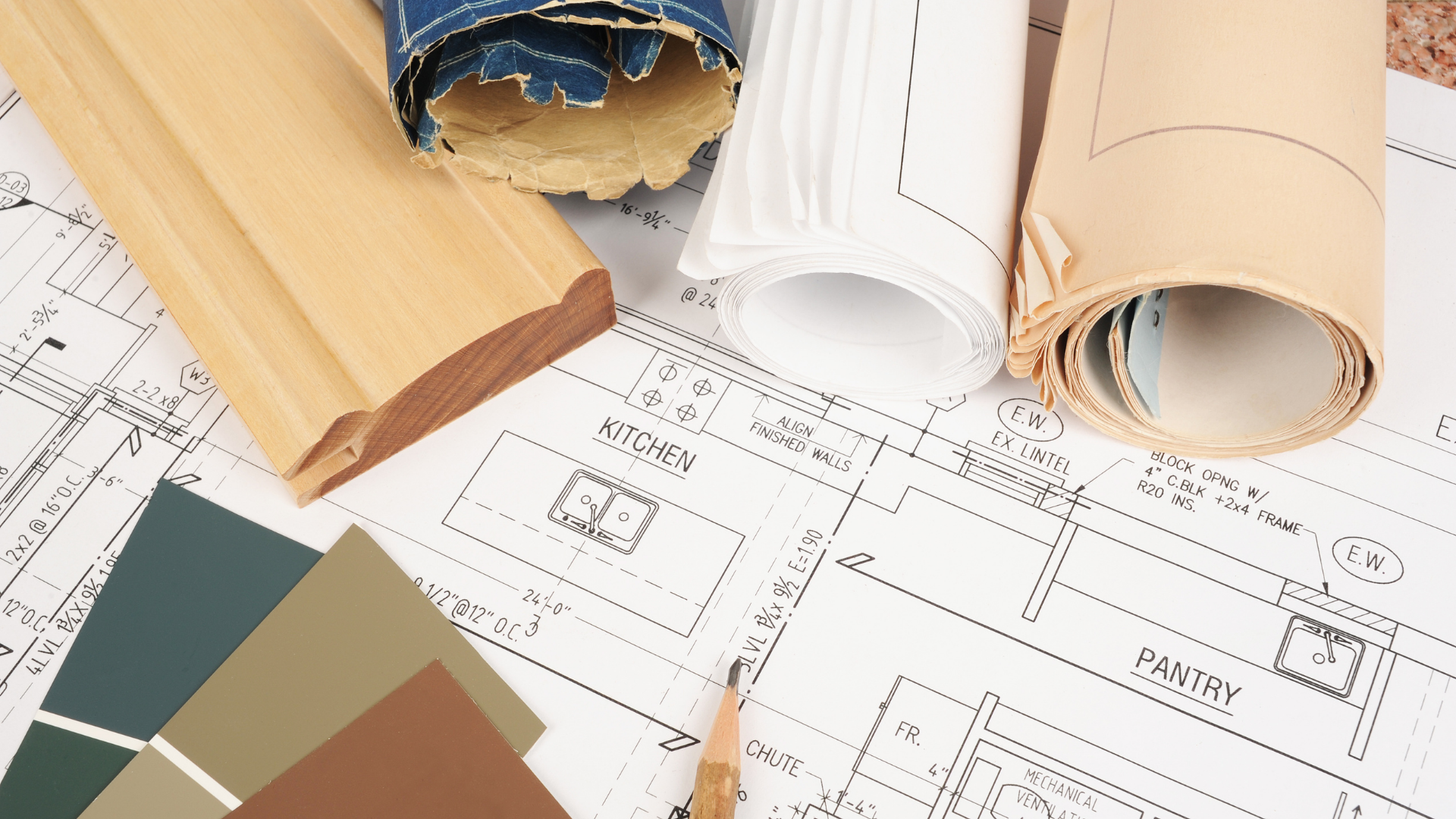
How to Use Your Mortgage to Finance Home Renovations Home renovations can be exciting—but they can also be expensive. Whether you're upgrading your kitchen, finishing the basement, or tackling a much-needed repair, the cost of materials and labour adds up quickly. If you don’t have all the cash on hand, don’t worry. There are smart ways to use mortgage financing to fund your renovation plans without derailing your financial stability. Here are three mortgage-related strategies that can help: 1. Refinancing Your Mortgage If you're already a homeowner, one of the most straightforward ways to access funds for renovations is through a mortgage refinance. This involves breaking your current mortgage and replacing it with a new one that includes the amount you need for your renovations. Key benefits: You can access up to 80% of your home’s appraised value , assuming you qualify. It may be possible to lower your interest rate or reduce your monthly payments. Timing tip: If your mortgage is up for renewal soon, refinancing at that time can help you avoid prepayment penalties. Even mid-term refinancing could make financial sense, depending on your existing rate and your renovation goals. 2. Home Equity Line of Credit (HELOC) If you have significant equity in your home, a Home Equity Line of Credit (HELOC) can offer flexible funding for renovations. A HELOC is a revolving credit line secured against your home, typically at a lower interest rate than unsecured borrowing. Why consider a HELOC? You only pay interest on the amount you use. You can access funds as needed, which is ideal for staged or ongoing renovations. You maintain the terms of your existing mortgage if you don’t want to refinance. Unlike a traditional loan, a HELOC allows you to borrow, repay, and borrow again—similar to how a credit card works, but with much lower rates. 3. Purchase Plus Improvements Mortgage If you're in the market for a new home and find a property that needs some work, a "Purchase Plus Improvements" mortgage could be a great option. This allows you to include renovation costs in your initial mortgage. How it works: The renovation funds are advanced based on a quote and are held in trust until the work is complete. The renovations must add value to the property and meet lender requirements. This type of mortgage lets you start with a home that might be more affordable upfront and customize it to your taste—all while building equity from day one. Final Thoughts Your home is likely your biggest investment, and upgrading it wisely can enhance both your comfort and its value. Mortgage financing can be a powerful tool to fund renovations without tapping into high-interest debt. The right solution depends on your unique financial situation, goals, and timing. Let’s chat about your options, run the numbers, and create a plan that works for you. 📞 Ready to renovate? Connect anytime to get started!

Thinking About Buying a Home? Here’s What to Know Before You Start Whether you're buying your very first home or preparing for your next move, the process can feel overwhelming—especially with so many unknowns. But it doesn’t have to be. With the right guidance and preparation, you can approach your home purchase with clarity and confidence. This article will walk you through a high-level overview of what lenders look for and what you’ll need to consider in the early stages of buying a home. Once you’re ready to move forward with a pre-approval, we’ll dive into the details together. 1. Are You Credit-Ready? One of the first things a lender will evaluate is your credit history. Your credit profile helps determine your risk level—and whether you're likely to repay your mortgage as agreed. To be considered “established,” you’ll need: At least two active credit accounts (like credit cards, loans, or lines of credit) Each with a minimum limit of $2,500 Reporting for at least two years Just as important: your repayment history. Make all your payments on time, every time. A missed payment won’t usually impact your credit unless you’re 30 days or more past due—but even one slip can lower your score. 2. Is Your Income Reliable? Lenders are trusting you with hundreds of thousands of dollars, so they want to be confident that your income is stable enough to support regular mortgage payments. Salaried employees in permanent positions generally have the easiest time qualifying. If you’re self-employed, or your income includes commission, overtime, or bonuses, expect to provide at least two years’ worth of income documentation. The more predictable your income, the easier it is to qualify. 3. What’s Your Down Payment Plan? Every mortgage requires some amount of money upfront. In Canada, the minimum down payment is: 5% on the first $500,000 of the purchase price 10% on the portion above $500,000 20% for homes over $1 million You’ll also need to show proof of at least 1.5% of the purchase price for closing costs (think legal fees, appraisals, and taxes). The best source of a down payment is your own savings, supported by a 90-day history in your bank account. But gifted funds from immediate family and proceeds from a property sale are also acceptable. 4. How Much Can You Actually Afford? There’s a big difference between what you feel you can afford and what you can prove you can afford. Lenders base your approval on verifiable documentation—not assumptions. Your approval amount depends on a variety of factors, including: Income and employment history Existing debts Credit score Down payment amount Property taxes and heating costs for the home All of these factors are used to calculate your debt service ratios—a key indicator of whether your mortgage is affordable. Start Early, Plan Smart Even if you’re months (or more) away from buying, the best time to start planning is now. When you work with an independent mortgage professional, you get access to expert advice at no cost to you. We can: Review your credit profile Help you understand how lenders view your income Guide your down payment planning Determine how much you can qualify to borrow Build a roadmap if your finances need some fine-tuning If you're ready to start mapping out your home buying plan or want to know where you stand today, let’s talk. It would be a pleasure to help you get mortgage-ready.

Fixed vs. Variable Rate Mortgages: Which One Fits Your Life? Whether you’re buying your first home, refinancing your current mortgage, or approaching renewal, one big decision stands in your way: fixed or variable rate? It’s a question many homeowners wrestle with—and the right answer depends on your goals, lifestyle, and risk tolerance. Let’s break down the key differences so you can move forward with confidence. Fixed Rate: Stability & Predictability A fixed-rate mortgage offers one major advantage: peace of mind . Your interest rate stays the same for the entire term—usually five years—regardless of what happens in the broader economy. Pros: Your monthly payment never changes during the term. Ideal if you value budgeting certainty. Shields you from rate increases. Cons: Fixed rates are usually higher than variable rates at the outset. Penalties for breaking your mortgage early can be steep , thanks to something called the Interest Rate Differential (IRD) —a complex and often costly formula used by lenders. In fact, IRD penalties have been known to reach up to 4.5% of your mortgage balance in some cases. That’s a lot to pay if you need to move, refinance, or restructure your mortgage before the end of your term. Variable Rate: Flexibility & Potential Savings With a variable-rate mortgage , your interest rate moves with the market—specifically, it adjusts based on changes to the lender’s prime rate. For example, if your mortgage is set at Prime minus 0.50% and prime is 6.00% , your rate would be 5.50% . If prime increases or decreases, your mortgage rate will change too. Pros: Typically starts out lower than a fixed rate. Penalties are simpler and smaller —usually just three months’ interest (often 2–2.5 mortgage payments). Historically, many Canadians have paid less overall interest with a variable mortgage. Cons: Your payment could increase if rates rise. Not ideal if rate fluctuations keep you up at night. The Penalty Factor: Why It Matters More Than You Think One of the biggest surprises for homeowners is the cost of breaking a mortgage early —something nearly 6 out of 10 Canadians do before their term ends. Fixed Rate = Unpredictable, potentially high penalty (IRD) Variable Rate = Predictable, usually lower penalty (3 months’ interest) Even if you don’t plan to break your mortgage, life happens—career changes, family needs, or new opportunities could shift your path. So, Which One is Best? There’s no one-size-fits-all answer. A fixed rate might be perfect for someone who wants stable budgeting and plans to stay put for years. A variable rate might work better for someone who’s financially flexible and open to market changes—or who may need to exit their mortgage early. Ultimately, the best mortgage is the one that fits your goals and your reality —not just what the bank recommends. Let's Find the Right Fit Choosing between fixed and variable isn’t just about numbers—it’s about understanding your needs, your future plans, and how much financial flexibility you want. Let’s sit down and walk through your options together. I’ll help you make an informed, confident choice—no guesswork required.

Can You Afford That Mortgage? Let’s Talk About Debt Service Ratios One of the biggest factors lenders look at when deciding whether you qualify for a mortgage is something called your debt service ratios. It’s a financial check-up to make sure you can handle the payments—not just for your new home, but for everything else you owe as well. If you’d rather skip the math and have someone walk through this with you, that’s what I’m here for. But if you like to understand how things work behind the scenes, keep reading. We’re going to break down what these ratios are, how to calculate them, and why they matter when it comes to getting approved. What Are Debt Service Ratios? Debt service ratios measure your ability to manage your financial obligations based on your income. There are two key ratios lenders care about: Gross Debt Service (GDS) This looks at the percentage of your income that would go toward housing expenses only. 2. Total Debt Service (TDS) This includes your housing costs plus all other debt payments—car loans, credit cards, student loans, support payments, etc. How to Calculate GDS and TDS Let’s break down the formulas. GDS Formula: (P + I + T + H + Condo Fees*) ÷ Gross Monthly Income Where: P = Principal I = Interest T = Property Taxes H = Heat Condo fees are usually calculated at 50% of the total amount TDS Formula: (GDS + Monthly Debt Payments) ÷ Gross Monthly Income These ratios tell lenders if your budget is already stretched too thin—or if you’ve got room to safely take on a mortgage. How High Is Too High? Most lenders follow maximum thresholds, especially for insured (high-ratio) mortgages. As of now, those limits are typically: GDS: Max 39% TDS: Max 44% Go above those numbers and your application could be declined, regardless of how confident you feel about your ability to manage the payments. Real-World Example Let’s say you’re earning $90,000 a year, or $7,500 a month. You find a home you love, and the monthly housing costs (mortgage payment, property tax, heat) total $1,700/month. GDS = $1,700 ÷ $7,500 = 22.7% You’re well under the 39% cap—so far, so good. Now factor in your other monthly obligations: Car loan: $300 Child support: $500 Credit card/line of credit payments: $700 Total other debt = $1,500/month Now add that to the $1,700 in housing costs: TDS = $3,200 ÷ $7,500 = 42.7% Uh oh. Even though your GDS looks great, your TDS is just over the 42% limit. That could put your mortgage approval at risk—even if you’re paying similar or higher rent now. What Can You Do? In cases like this, small adjustments can make a big difference: Consolidate or restructure your debts to lower monthly payments Reallocate part of your down payment to reduce high-interest debt Add a co-applicant to increase qualifying income Wait and build savings or credit strength before applying This is where working with an experienced mortgage professional pays off. We can look at your entire financial picture and help you make strategic moves to qualify confidently. Don’t Leave It to Chance Everyone’s situation is different, and debt service ratios aren’t something you want to guess at. The earlier you start the conversation, the more time you’ll have to improve your numbers and boost your chances of approval. If you're wondering how much home you can afford—or want help analyzing your own GDS and TDS—let’s connect. I’d be happy to walk through your numbers and help you build a solid mortgage strategy.

Thinking of Buying a Home? Here’s Why Getting Pre-Approved Is Key If you’re ready to buy a home but aren’t sure where to begin, the answer is simple: start with a pre-approval. It’s one of the most important first steps in your home-buying journey—and here's why. Why a Pre-Approval is Crucial Imagine walking into a restaurant, hungry and excited to order, but unsure if your credit card will cover the bill. It’s the same situation with buying a home. You can browse listings online all day, but until you know how much you can afford, you’re just window shopping. Getting pre-approved for a mortgage is like finding out the price range you can comfortably shop within before you start looking at homes with a real estate agent. It sets you up for success and saves you from wasting time on properties that might be out of reach. What Exactly is a Pre-Approval? A pre-approval isn’t a guarantee. It’s not a promise that a lender will give you a mortgage no matter what happens with your finances. It’s more like a preview of your financial health, giving you a clear idea of how much you can borrow, based on the information you provide at the time. Think of it as a roadmap. After going through the pre-approval process, you’ll have a much clearer picture of what you can afford and what you need to do to make the final approval process smoother. What Happens During the Pre-Approval Process? When you apply for a pre-approval, lenders will look at a few key areas: Your income Your credit history Your assets and liabilities The property you’re interested in This comprehensive review will uncover any potential hurdles that could prevent you from securing financing later on. The earlier you identify these challenges, the better. Potential Issues a Pre-Approval Can Reveal Even if you feel confident that your finances are in good shape, a pre-approval might uncover issues you didn’t expect: Recent job changes or probation periods An income that’s heavily commission-based or reliant on extra shifts Errors or collections on your credit report Lack of a well-established credit history Insufficient funds saved for a down payment Existing debt reducing your qualification amount Any other financial blind spots you might not be aware of By addressing these issues early, you give yourself the best chance of securing the mortgage you need. A pre-approval makes sure there are no surprises along the way. Pre-Approval vs. Pre-Qualification: What’s the Difference? It’s important to understand that a pre-approval is more than just a quick online estimate. Unlike pre-qualification—which can sometimes be based on limited information and calculations—a pre-approval involves a thorough review of your finances. This includes looking at your credit report, providing detailed documents, and having a conversation with a mortgage professional about your options. Why Get Pre-Approved Now? The best time to secure a pre-approval is as soon as possible. The process is free and carries no risk—it just gives you a clear path forward. It’s never too early to start, and by doing so, you’ll be in a much stronger position when you're ready to make an offer on your dream home. Let’s Make Your Home Buying Journey Smooth A well-planned mortgage process can make all the difference in securing your home. If you’re ready to get pre-approved or just want to chat about your options, I’d love to help. Let’s make your home-buying experience a smooth and successful one!
